

Global Brands Bet Big on India’s Retail Boom
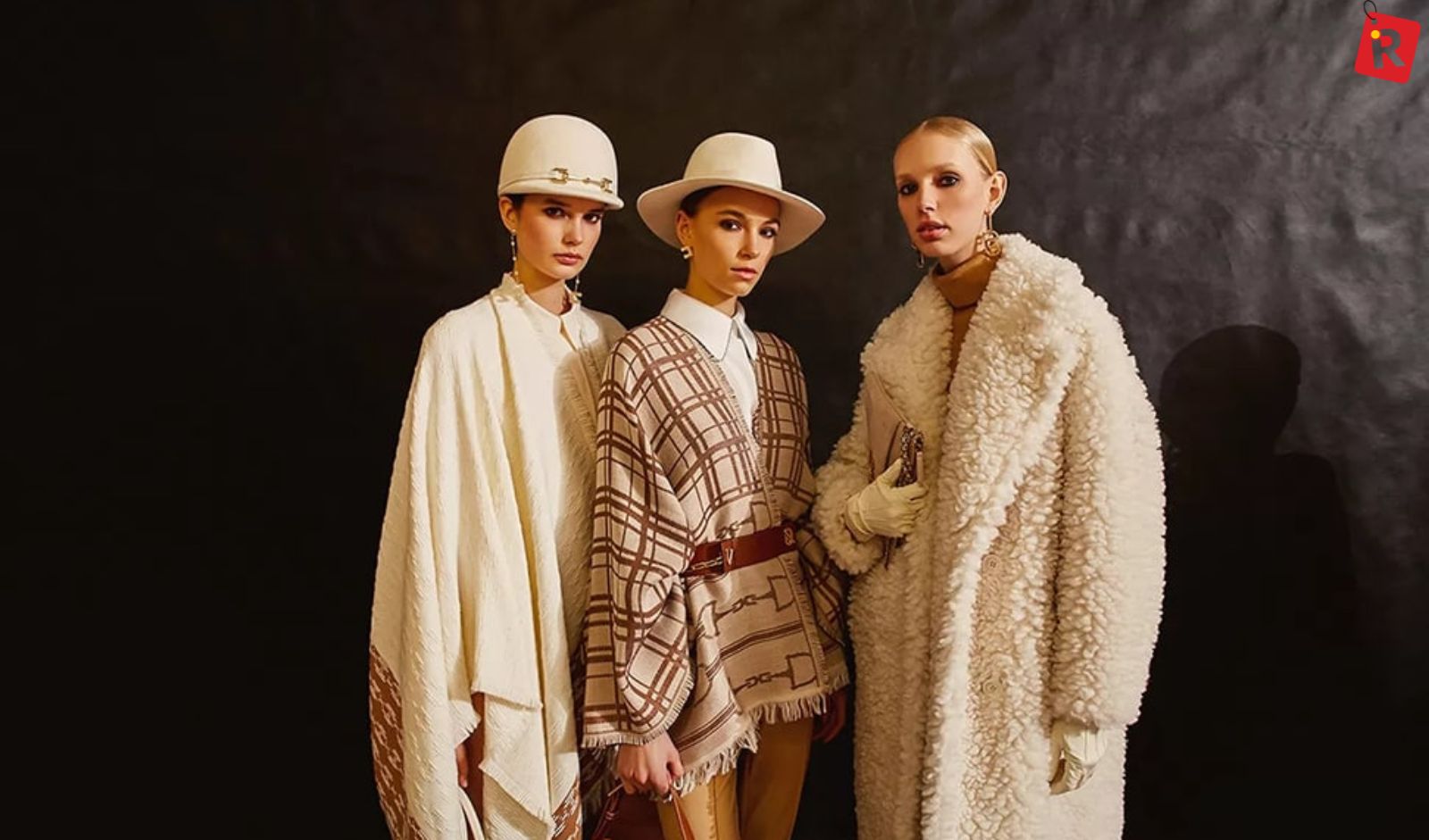
India’s retail market is seeing a strong wave of global fashion and lifestyle brands entering and expanding their presence.
By Richa Fulara, Features Writer
Mar 27, 2026 / 16 MIN READ


India’s retail market is seeing a strong wave of global fashion and lifestyle brands entering and expanding their presence. Driven by a young population, rising incomes, and growing demand for branded products, international players are increasingly viewing India as a key long-term market.
From bags and accessories to fast fashion and formal wear, brands are adopting flexible strategies—partnering with local companies, focusing on digital channels, and gradually expanding physical stores.
Scaling global brands
Multi-brand retailer Bagline highlights how international brands are being scaled in India. The company, backed by Brand Concepts, started in 2007 with a focus on school accessories and later moved into fashion. Today, it manages a portfolio that includes brands like Tommy Hilfiger, United Colors of Benetton, and Juicy Couture, along with its own labels.
“We expanded our categories to include travel gear, small leather goods, and women’s handbags, with a clear focus on bags and accessories. The idea is to bring fashion into this category and offer truly fashionable products through international brands,” said Abhinav Kumar, Co-Founder, Brand Concepts.
Bagline currently operates 56 stores and has a presence in over 2,000 offline touchpoints. Its online business is also strong, contributing about 45 percent of total revenue. The company is now preparing to launch new global brands such as Off-White and Superdry, while expanding further into South India and smaller cities.
Partnership-Led Market Entry
Many global brands are entering India through partnerships to better navigate the market. Australian retailer Cotton On has partnered with Apparel Group for its India entry. The brand, founded in 1991, had been studying the Indian market for years before making its move.
“Partnering with Apparel Group India allows us to enter the market with speed, confidence and a model built for long term growth. Their scale, retail expertise and distribution capability make them an ideal partner as we bring Cotton On to millions of new customers,” said Michael Hardwick, CFO, Cotton On Group, noting that India offers strong growth potential.
The partnership combines Cotton On’s global product expertise with Apparel Group’s local market knowledge, creating a structured approach to expansion.
Apart from Cotton On, Apparel Group is a major retail conglomerate operating over 50 international fashion, footwear, and lifestyle brands across India. Its key brands include Victoria's Secret, Aldo, Bath & Body Works, Charles & Keith, and Tim Hortons. Recently, the company on boarded children’s sports apparel and accessories brands Nike Littles and Jordan Kids, strengthening its India portfolio.
Digital-First Approach Gains Importance
A key trend among new entrants is starting with a digital-first model. Brands are using online platforms to understand customer preferences before expanding offline.
Cotton On plans to launch with its own online platform and then expand into marketplaces, followed by physical stores. Its offline rollout will begin in Delhi NCR and later expand to other metro cities and beyond. “We will launch Cotton On’s own D2C platform, understand the consumer, and then expand into marketplaces and offline retail,” said Tushar Ved, President, Apparel Group India.
The brand aims to open 40–50 stores in India over the next five years, focusing on steady and well-planned growth.
Filling Gaps in the Market
Global brands are also entering India by identifying gaps in specific categories. Italian menswear brand Camicissima, known for shirts, recently entered the country with its first store in Delhi. The brand sees a strong opportunity in formal wear.
“Camicissima recognized a significant white space in the Indian market — the absence of a specialized formal shirt brand that delivers consistent sizing, premium quality, and accessible pricing. That gap made India a strong opportunity for expansion,” expressed Salesh Grover, Business Head, OSL Luxury Collections.
The brand plans to expand across metros and strengthen its online presence while keeping pricing consistent. “Camicissima is neither luxury nor premium, but a bridge brand — ideal for customers upgrading from premium to luxury,” Grover added.
Growth Beyond Metros
While metro cities remain important, demand from Tier II and Tier III cities is rising quickly. Consumers in these markets are increasingly open to premium and international brands. “Earlier, demand in smaller cities was skewed towards entry price points, but that distinction is blurring. With rising disposable incomes, higher aspirations, and social media influence, consumers in non metros are increasingly opting for premium products,” shared Kumar.
Retailers are responding by expanding distribution, opening stores in smaller cities, and improving delivery networks to reach more customers.
Omnichannel approach
Across all players, a strong omnichannel presence is now critical. Brands are combining physical stores, e-commerce platforms, and direct-to-consumer channels to reach customers wherever they shop.
Bagline’s balanced online and offline mix and Cotton On’s phased expansion strategy both reflect this shift.
The Road ahead
Global brands entering India today are taking a long-term approach. Instead of rapid expansion, the focus is on steady growth, understanding local consumers, and building strong retail networks.
With more brands entering and existing players expanding, India’s fashion retail market is set to become even more competitive and full of opportunities.
India’s retail market is seeing a strong wave of global fashion and lifestyle brands entering and expanding their presence. Driven by a young population, rising incomes, and growing demand for branded products, international players are increasingly viewing India as a key long-term market.
From bags and accessories to fast fashion and formal wear, brands are adopting flexible strategies—partnering with local companies, focusing on digital channels, and gradually expanding physical stores.
Related Stories
As consumer shopping habits continue to evolve, malls are adapting to meet changing expectations. No longer just shopping destinations, they are becoming spaces that combine retail, dining,…
- By Richa Fulara
- |
- 8 Min Read
Growing health awareness, clean-label consumption, and the rise of omnichannel retail are reshaping India's organic food market. As the category gains mainstream traction, brands are expanding their…
- By Richa Fulara
- |
- 9 Min Read
With a portfolio of 10 brands spanning health, wellness, personal care, and lifestyle categories, BRND.ME has built a profitable $200 million business in just four-and-a-half years. Today, the…
- By Richa Fulara
- |
- 7 Min Read