

How BRND.ME Is Building Global Consumer Brands from India
With operations spanning multiple countries, BRND.ME is using technology, centralized operations, and a multi-brand model to scale globally. The company continues to invest in customer experience, talent development, and omnichannel expansion as it grows
By Richa Fulara, Features Writer
Jun 25, 2026 / 20 MIN READ


With a portfolio of 10 brands spanning health, wellness, personal care, and lifestyle categories, BRND.ME has built a profitable $200 million business in just four-and-a-half years. Today, the consumer technology platform operates across 17 countries, scaling digital-first brands such as MyFitness, Majestic Pure, Botanic Hearth, and PartyPropz for global audiences.
Tech-Driven Growth
Technology has been a key driver of BRND.ME's growth. The company leverages technology extensively to customize content for different markets and consumer segments while optimizing logistics and supply chain operations to remain competitive globally.
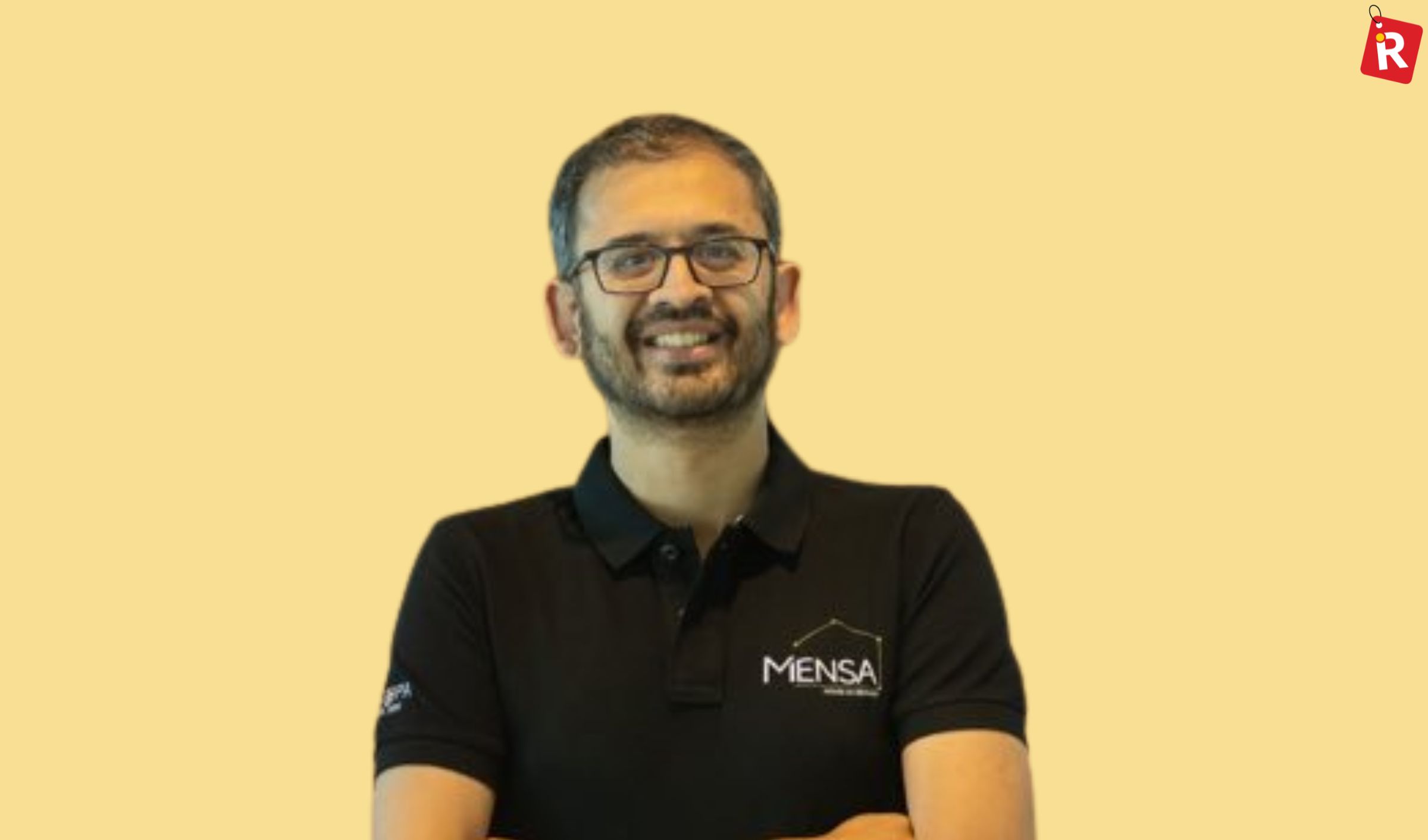
“Technology and operational efficiency have been key pillars of our growth,” said Ananth Narayanan, Founder, BRND.ME.
Beyond improving operational efficiencies, technology is also transforming how brands engage with consumers. Access to data enables companies to create highly personalized experiences, helping them build stronger communities and deepen customer relationships over the long term.
“The ability to leverage data effectively will play a major role in building successful consumer brands in the years ahead,” he said.
Using AI to Create Real Value
While artificial intelligence continues to dominate conversations across industries, Narayanan believes not every business challenge requires generative AI or large language models. BRND.ME has been using a rule-based advertising engine long before the recent AI boom. The system relies on human-created and supervised rules and has consistently delivered strong outcomes.
“Businesses should focus on solving problems rather than simply adopting AI because it's fashionable,” Narayanan said.
Creating Synergies Across Multiple Brands
Managing a portfolio of brands requires companies to create efficiencies across multiple functions. BRND.ME focuses on generating synergies across technology, operations, and talent.
At the technology level, the company shares platforms and capabilities across brands and categories. Operationally, logistics, warehousing, and supply chain management are centralized, helping improve efficiency and reduce costs.
“We ship three to four containers each month, consolidating products from multiple brands into full-container loads for markets such as the U.S. and Europe. This approach helps optimize freight and supply chain expenses while maintaining scale,” shared Narayanan.
People form the third pillar of synergy. BRND.ME invests in developing digital-first brand managers and encourages talent mobility across brands and categories, allowing employees to learn from different business environments.
“People are often the most overlooked source of synergy. Creating opportunities for talent to move across brands helps build stronger capabilities across the organization,” he said.
A Practical Roadmap for Going Global
For brands aspiring to expand internationally, Narayanan recommends starting with a realistic assessment of market potential and competitiveness.
“The first question every founder should ask is whether there is a sizable global market opportunity and whether the business can remain cost-competitive,” he said.
Certain categories, such as health and wellness, tend to travel well across geographies. Others, including fashion, present additional complexities due to size variations and higher return rates.
To test international demand, Narayanan recommends leveraging global marketplaces such as Amazon and Noon. These platforms provide brands with a relatively low-cost way to experiment and validate product-market fit before making larger investments.
Once traction is established, brands can invest in direct-to-consumer channels and social commerce platforms such as TikTok Shop. Offline retail, he believes, should be the next stage of growth, helping brands build visibility and scale through large-format retailers, specialty stores, and grocery chains.
Building Customer Loyalty in a Competitive Market
Customer retention remains one of the most important—and challenging—aspects of brand building. According to Narayanan, loyalty begins with delivering exceptional product quality.
“At every price point, the product must exceed the consumer's value expectations,” he said, adding that this includes not only the product itself but also packaging and the overall customer experience.
Repeat purchase behavior remains one of the strongest indicators of whether a brand is creating value. However, loyalty extends beyond transactions and requires brands to maintain ongoing relationships with consumers.
For products such as gardening supplies or home storage solutions, content and community engagement become critical tools for staying connected with customers between purchases.
“One rule of thumb is to create 10 to 12 meaningful content interactions with consumers for every purchase. This helps maintain top-of-mind awareness without relying excessively on marketing spend,” Narayanan said.
The Continued Importance of Offline Retail
Despite the rapid growth of digital commerce, offline retail continues to play a critical role in building consumer brands. According to Narayanan, once brands reach a certain scale—around Rs 100 crore in annual revenue in India—physical retail becomes increasingly important.
Consumers often want to see, touch, and experience products before making a purchase, making an offline presence a key trust-building mechanism.
“Ultimately, commerce will become increasingly omnichannel, with inventory and customer experience acting as the connecting threads across online and offline channels,” Narayanan concluded.
With a portfolio of 10 brands spanning health, wellness, personal care, and lifestyle categories, BRND.ME has built a profitable $200 million business in just four-and-a-half years. Today, the consumer technology platform operates across 17 countries, scaling digital-first brands such as MyFitness, Majestic Pure, Botanic Hearth, and PartyPropz for global audiences.Tech-Driven GrowthTechnology has been a key driver of BRND.ME's growth. The company leverages technology extensively to customize content for different markets and consumer segments while optimizing logistics and supply chain operations to remain competitive globally.“Technology and operational efficiency have been key pillars of our growth,” said Ananth Narayanan, Founder, BRND.ME.Beyond improving operational efficiencies, technology is also transforming how brands engage with consumers. Access to data enables companies to create highly personalized experiences, helping them build stronger communities and deepen customer relationships over the long term.“The ability to leverage data effectively will play a major role in building successful consumer brands in the years ahead,” he said.Using AI to Create Real ValueWhile artificial intelligence continues to dominate conversations across industries, Narayanan believes not every business challenge requires generative AI or large language models. BRND.ME has been using a rule-based advertising engine long before the recent AI boom. The system relies on human-created and supervised rules and has consistently delivered strong outcomes.
Related Stories
As consumer shopping habits continue to evolve, malls are adapting to meet changing expectations. No longer just shopping destinations, they are becoming spaces that combine retail, dining,…
- By Richa Fulara
- |
- 8 Min Read
Growing health awareness, clean-label consumption, and the rise of omnichannel retail are reshaping India's organic food market. As the category gains mainstream traction, brands are expanding their…
- By Richa Fulara
- |
- 9 Min Read
With a portfolio of 10 brands spanning health, wellness, personal care, and lifestyle categories, BRND.ME has built a profitable $200 million business in just four-and-a-half years. Today, the…
- By Richa Fulara
- |
- 7 Min Read