

How India's Organic Food Revolution Is Reshaping Retail
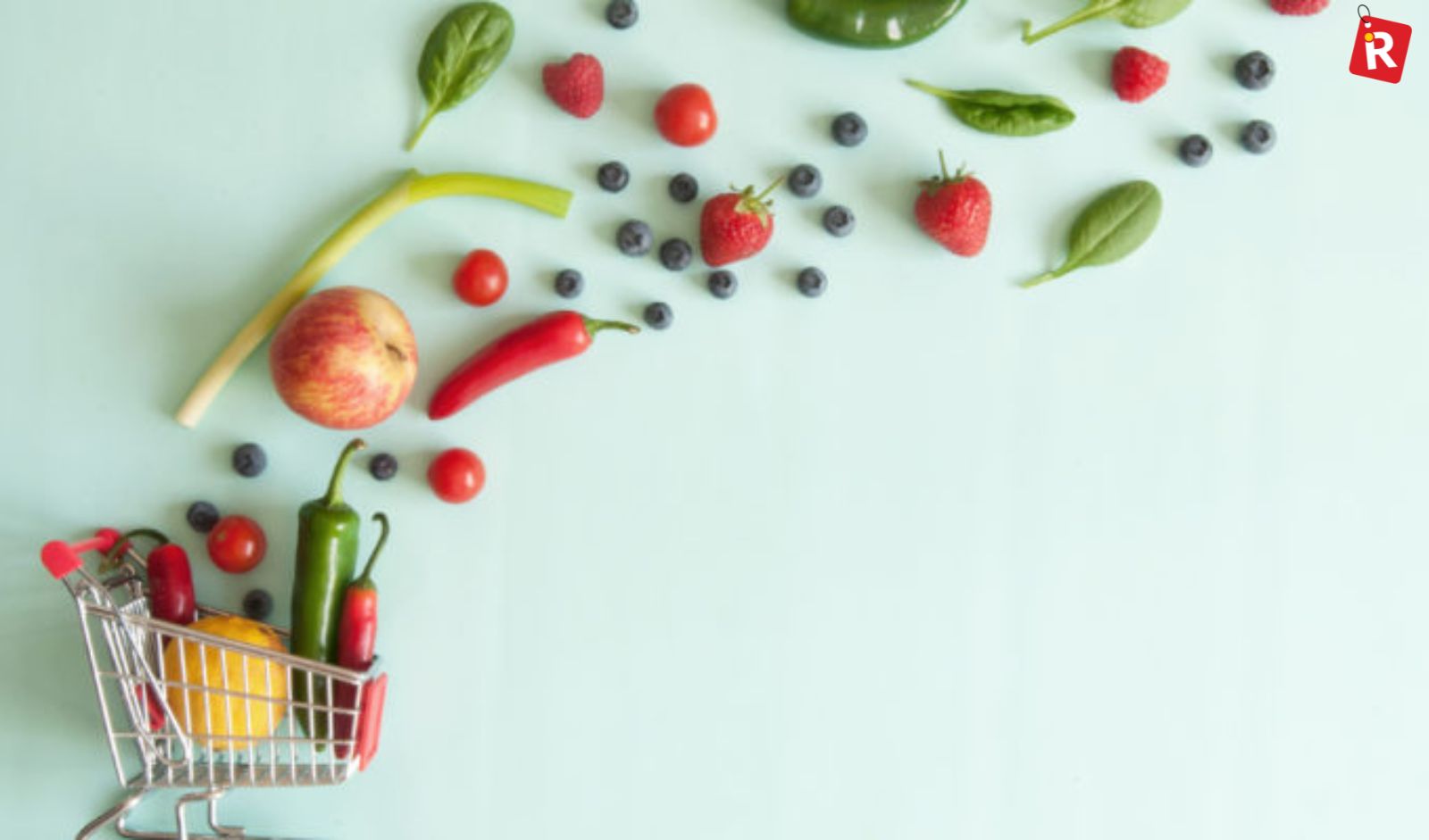
Unlike many premium food categories, organic growth is being led by everyday essentials rather than indulgent purchases. Staples such as atta, rice, pulses, cooking oils, dairy, fruits, vegetables, honey, and millets are seeing the strongest traction.
By Richa Fulara, Features Writer
Jul 06, 2026 / 14 MIN READ


Growing health awareness, clean-label consumption, and the rise of omnichannel retail are reshaping India's organic food market. As the category gains mainstream traction, brands are expanding their reach while investing in consumer education, farm-to-fork traceability, and stronger farmer partnerships to build trust.
According to industry estimates, the market is projected to grow from $2.3 billion in 2025 to $11.3 billion by 2034, reflecting a CAGR of nearly 20 percent. The expansion is being driven by changing food habits, rising concerns around health and food safety, and increasing demand for products with clear sourcing and ingredient transparency.
Rising Consumer Awareness
Earlier, organic products were largely purchased on trust. Today, shoppers want evidence. Certifications, sourcing, traceability, farming methods, and ingredient labels have become central to purchase decisions.
"Today, consumers want to know why a product is not certified. They demand traceability. This is a consumer who has moved well beyond trend-chasing into genuine, informed conviction," said Kriti Mehrotra, Co-Founder, Organic Tattva.
According to Arvind Patel, MD, Bharat Vedica – A Patel Venture, adoption was no longer limited to metros. "Value-conscious yet quality-driven households in Tier II and III cities are adopting clean food with the same confidence as urban buyers, enabled by digital access," he said.
However, despite rising interest, the industry still has a long road ahead. "Consumer interest in organic products is increasing, but awareness is still low. The next 10 to 15 years will be critical for the industry's growth, and brands entering this space must invest significantly in educating consumers," added Shashi Kumar, Co-founder, Akshayakalpa Organic.
Everyday Staples Drive Category Growth
Unlike many premium food categories, organic growth is being led by everyday essentials rather than indulgent purchases. Staples such as atta, rice, pulses, cooking oils, dairy, fruits, vegetables, honey, and millets are seeing the strongest traction as consumers switch everyday pantry essentials to organic alternatives.
For Organic Tattva, repeat consumption begins with household essentials. "Staples remain the backbone—atta, pulses, rice, cooking oils. Once a household switches to organic in these categories, the behavior becomes habitual very quickly," Mehrotra said.
Bharat Vedica was witnessing similar trends. "The strongest pull is in everyday staples rather than indulgence products because that is where consumers feel the impact of purity most directly. A2 Gir Cow ghee, wood-pressed oils, stone-milled flours, millets, and raw honey are leading demand across channels," Patel expressed.
Meanwhile, Akshayakalpa Organic continued to see strong momentum across fresh categories. "Demand has been strong across almost all our fresh categories, including dairy, poultry, vegetables, and fruits," added Kumar.
Omnichannel Retail Becomes the Growth Engine
The rise of quick commerce has dramatically changed how consumers discover and purchase organic products. While modern retail initially drove category adoption, quick commerce and e-commerce are now accelerating growth.
"Today, the largest share of our business comes from quick commerce and e-commerce. But offline hasn't become irrelevant; it's evolved its role," Mehrotra expressed.
Similarly, Bharat Vedica viewed online and offline channels as complementary. "Digital is where a brand earns its first conversation. Offline is where trust becomes tangible. The brands that will win are those that treat the two as a continuum," Patel said.
For Akshayakalpa Organic, digital platforms continued to play a larger role because they enabled brands to educate consumers more effectively.
Building Trust Beyond the Shelf
As consumers become more discerning, brands are investing beyond packaging and promotions to strengthen consumer confidence. Education, product trials, and transparency are emerging as some of the most effective retail tools. "If I had to name the single most effective tool, it's sampling. When someone actually tastes our products, the quality speaks for itself," Mehrotra said.
She added that QR codes, certification explainers, and farm-level traceability were helping convert skeptical shoppers into loyal customers.
Patel echoed a similar sentiment. "In a category where the difference is experiential, education and trial are the most powerful tools, more so than discounting. The moment a consumer tastes genuine Bilona ghee or wood-pressed oil, the value becomes self-evident," he said.
Rather than competing on price alone, brands are increasingly focusing on storytelling around sourcing, farming practices, and nutritional value.
Premium Positioning
Organic food continues to command a price premium, but industry leaders argued that the higher cost reflects the realities of production rather than brand positioning. "The premium price of organic isn't a positioning choice; it's a cost reality. Organic farming is more labor-intensive. Certification is rigorous. Supply chains are considerably more complex," Mehrotra said.
Organic Tattva has focused on improving efficiencies through long-term farmer relationships and its own processing infrastructure while maintaining stringent quality standards.
For Akshayakalpa Organic, quality remained non-negotiable. "Consumers are willing to pay more for products that are free from pesticides, antibiotics, and aflatoxins. Premiumization can only happen when the product genuinely delivers superior quality," added Kumar.
Future Outlook
Looking ahead, industry leaders believe the future of organic food will be shaped by technology, transparency, farmer partnerships, and deeper market penetration.
Quick commerce is expected to remain one of the biggest catalysts for category expansion. "Quick commerce is the single biggest structural shift happening right now. Ten-minute delivery has genuinely changed the game," Mehrotra shared.
Patel believed transparency and sustainability would define the next generation of successful organic brands. "Traceability will move from a differentiator to an expectation. Sustainable packaging, Tier II and III India, quick commerce, and experiential retail will drive growth," he expressed.
The future of India's organic food industry will be defined by trust, not just premium pricing. Brands that prioritize transparency, accessibility, and consumer education will lead the category's next wave of growth.
Growing health awareness, clean-label consumption, and the rise of omnichannel retail are reshaping India's organic food market. As the category gains mainstream traction, brands are expanding their reach while investing in consumer education, farm-to-fork traceability, and stronger farmer partnerships to build trust.
According to industry estimates, the market is projected to grow from $2.3 billion in 2025 to $11.3 billion by 2034, reflecting a CAGR of nearly 20 percent. The expansion is being driven by changing food habits, rising concerns around health and food safety, and increasing demand for products with clear sourcing and ingredient transparency.
Related Stories
As consumer shopping habits continue to evolve, malls are adapting to meet changing expectations. No longer just shopping destinations, they are becoming spaces that combine retail, dining,…
- By Richa Fulara
- |
- 8 Min Read
Growing health awareness, clean-label consumption, and the rise of omnichannel retail are reshaping India's organic food market. As the category gains mainstream traction, brands are expanding their…
- By Richa Fulara
- |
- 9 Min Read
With a portfolio of 10 brands spanning health, wellness, personal care, and lifestyle categories, BRND.ME has built a profitable $200 million business in just four-and-a-half years. Today, the…
- By Richa Fulara
- |
- 7 Min Read