

How D2C Brands Are Blending Digital Discovery with Physical Retail
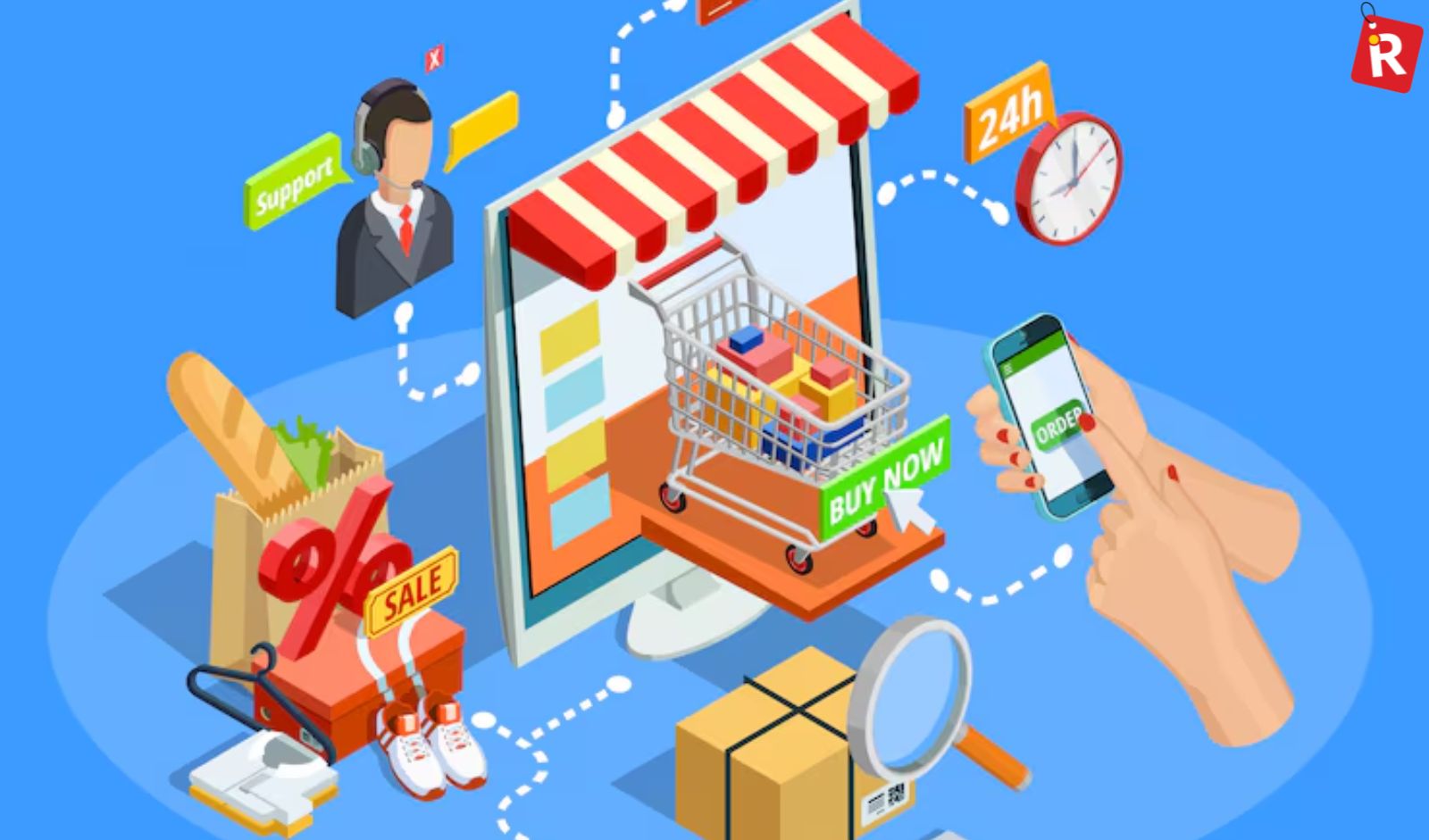
The distinction between online and offline retail is becoming less relevant as consumers move freely between channels. To keep pace, brands are combining digital capabilities with physical retail experiences, using data, localization and strategic store e
By Richa Fulara, Features Writer
Jun 11, 2026 / 20 MIN READ


The rapid growth of digital commerce has transformed how consumers discover and evaluate products, but physical stores continue to hold a significant place in the purchase journey. As brands look to strengthen customer engagement and expand their reach, many are adopting omnichannel strategies that blend online shopping with offline retail.
For D2C and retail brands alike, the goal is no longer to choose between channels but to create a connected consumer experience that deepens engagement and drives long-term growth.
Integrating Online & Offline Channels
While online channels help brands reach a broad customer base, physical retail continues to play a critical role in building trust and credibility. This is particularly evident in categories such as furniture, jewelry, and fashion, where touch, feel, and in-store interaction often influence purchasing decisions.
Furlenco, a furniture rental brand that began as an online-first platform, has expanded into physical retail to offer consumers a more immersive experience.
"Our stores are not purely transactional; they're experiential. We call them trust hubs where customers can physically interact with the products and gain confidence in the brand," said Nitesh Mohandas, Chief Business Officer, Furlenco, at the IReC X D2C Summit 2026.
Offline-first brands are also seeing stronger integration between digital discovery and store purchases. "Our online journey began just before COVID. Today, we're seeing a healthy omnichannel model. Around one-third of our customers discover products online before visiting stores to complete their purchase,” shared Manish Guleccha, Executive Director, Kushal's Fashion Jewellery.
Online-first brands that later expanded into offline retail are witnessing a similar trend. For instance, Clovia observes a growing overlap between its online and offline customer base.
"For a long time, nearly 70 percent of our online and offline customers were different people. Today, there is far more overlap because brand awareness spreads much faster. Some customers discover us online and buy offline, while others visit stores and complete the purchase online later," added Pankaj Vermani, Co-Founder, Clovia.
Data-Driven Offline Expansion
For online-first brands, digital channels are doing more than driving sales—they are also shaping offline expansion strategies. Brands are increasingly using customer data to identify high-potential markets, optimize inventory, and reduce expansion risks.
Clovia has relied heavily on data to guide its store expansion strategy.
"Today, we deliver around 15,000 pieces daily and have built a strong database of customer and pin-code insights. We used this data to determine where and how to expand offline, and that strategy has worked very successfully for us," expressed Vermani.
Furlenco is taking a similar approach as it expands its physical footprint. The company plans to open 15 additional experience centers over the next 12 to 18 months.
"The strategy is to identify strong catchment areas using customer data, place an experience center at the core, and support it with smaller trust hubs and distribution points nearby," said Mohandas.
The ability to combine digital intelligence with physical retail execution is emerging as a key differentiator for brands pursuing sustainable offline growth.
Choosing the Right Store Format
Successful offline expansion depends not only on location but also on selecting the right store format and size. To minimize risk, many brands are testing markets before committing to large-scale rollouts. Evaluating store economics is the first step towards making expansion related decisions.
"A store that's too small can limit your potential, while one that's too large can hurt profitability. For brands testing offline, pop-ups and kiosks are excellent ways to validate locations before making larger commitments,” expressed Guleccha.
Indo Era has adopted a similar pilot-led approach while exploring offline retail opportunities.
"As a pilot, we opened five stores in Gujarat across Tier II and III markets—two in malls and three on high streets. We spent time understanding customer behavior and store performance," shared Ambrish Miyani, Co-Founder and Managing Director, Indo Era.
Such experiments allow brands to assess footfall, conversion rates, and profitability before scaling further, reflecting a broader shift toward more measured and data-backed expansion strategies.
The Importance of Localization
As brands expand beyond metro cities, understanding regional consumer preferences is becoming increasingly important. Localization can play a significant role in improving customer acceptance, merchandising decisions, and overall store performance.
For fashion and lifestyle brands, consumer preferences often vary significantly across regions.
"We study regional preferences carefully because consumer tastes differ across India. For instance, northern markets often prefer heavier embroidery and embellishments, while southern markets lean toward simpler designs," said Miyani.
These insights help shape product assortments, inventory planning, and store-level strategies, particularly as brands expand into Tier II and III cities.
The distinction between online and offline retail is becoming less relevant as consumers move freely between channels. To keep pace, brands are combining digital capabilities with physical retail experiences, using data, localization and strategic store expansion to better serve evolving customer needs.
The rapid growth of digital commerce has transformed how consumers discover and evaluate products, but physical stores continue to hold a significant place in the purchase journey. As brands look to strengthen customer engagement and expand their reach, many are adopting omnichannel strategies that blend online shopping with offline retail.
For D2C and retail brands alike, the goal is no longer to choose between channels but to create a connected consumer experience that deepens engagement and drives long-term growth.
Related Stories
As consumer shopping habits continue to evolve, malls are adapting to meet changing expectations. No longer just shopping destinations, they are becoming spaces that combine retail, dining,…
- By Richa Fulara
- |
- 8 Min Read
Growing health awareness, clean-label consumption, and the rise of omnichannel retail are reshaping India's organic food market. As the category gains mainstream traction, brands are expanding their…
- By Richa Fulara
- |
- 9 Min Read
With a portfolio of 10 brands spanning health, wellness, personal care, and lifestyle categories, BRND.ME has built a profitable $200 million business in just four-and-a-half years. Today, the…
- By Richa Fulara
- |
- 7 Min Read