

Quick Commerce, AI Drive FMCG Transformation
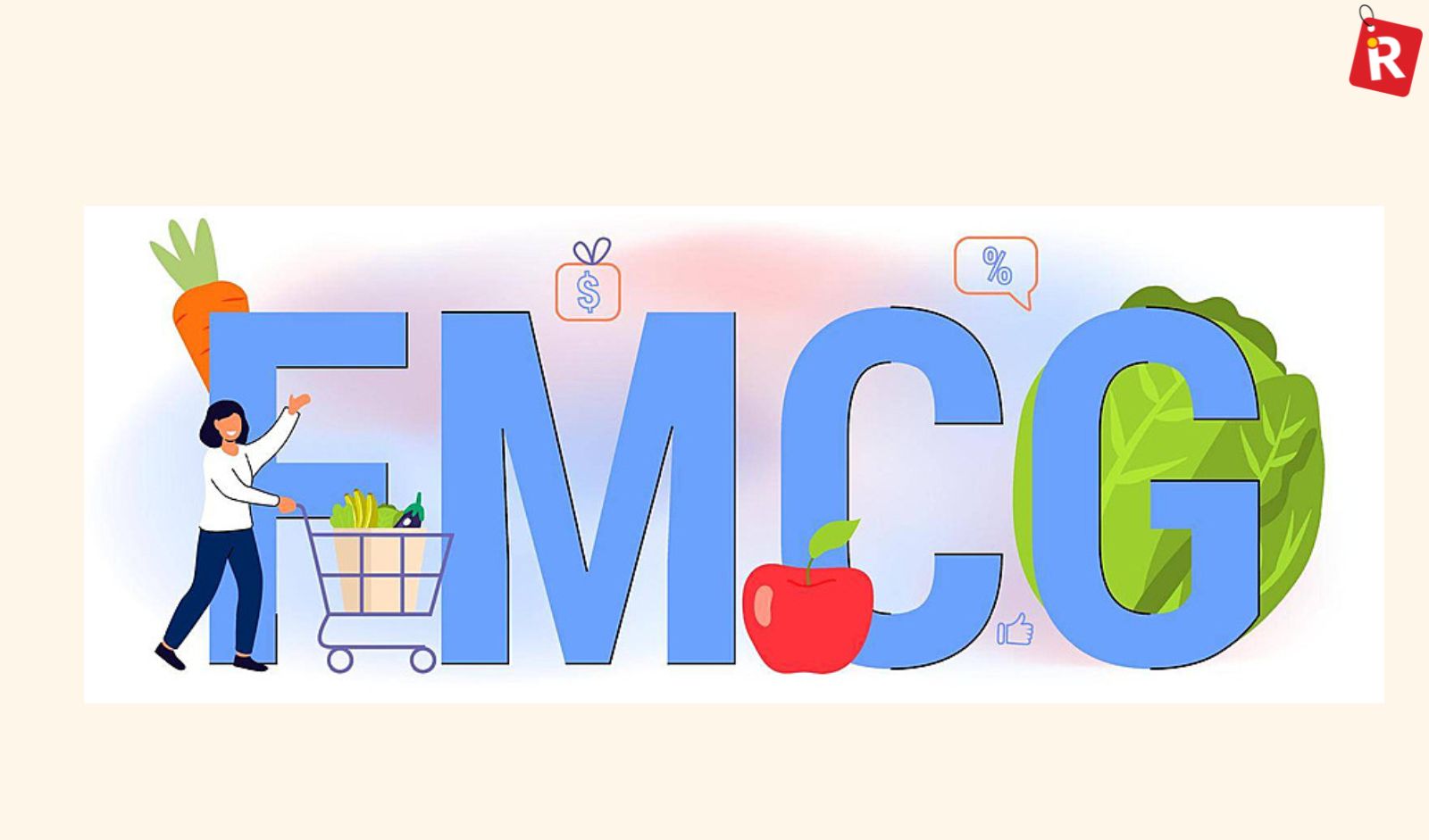
As consumers increasingly shop across multiple channels, FMCG brands are rethinking how they market, distribute, and position their products. The shift is prompting companies to leverage technology and optimize channel strategies.
By Richa Fulara, Features Writer
Jun 03, 2026 / 18 MIN READ


India’s FMCG sector is undergoing a transformative phase, driven by the growth of online commerce, increasing adoption of AI-powered demand forecasting, and the rapid emergence of new-age brands. To survive in a highly competitive market where digital-first challengers and legacy players coexist, brands must continuously reinvent their retail strategies, product positioning, and channel mix to retain consumers and achieve sustainable growth.
Quick Commerce: A Revolutionary Channel
Unlike a few years ago, when general trade and modern trade were the primary channels for FMCG retail, consumers today have access to multiple avenues for purchasing everyday products. Online platforms and quick commerce, in particular, have revolutionized how consumers discover, evaluate, and shop for FMCG products.
“Earlier, consumers purchased based on what was available at nearby stores. Today, they have access to a wide variety of products through quick commerce and e-commerce platforms. Consumers are becoming more empowered and are choosing channels based on convenience and specific needs,” shared Amit Anand, Managing Director, Apis India.
Quick commerce has been growing at triple-digit rates and is already taking market share from traditional channels across metro cities while gradually expanding into Tier II and Tier III markets. Platforms that entered this space over the past few years are witnessing significant consumer adoption.
“Quick commerce currently caters largely to Tier I consumers. For FreshToHome, quick commerce entered our channel mix only around 18 months ago, yet it already contributes nearly 22 percent of our business,” noted Santosh Kumar, Head of Business, FreshToHome.
Marketing Spend Remains Critical for Brand Building
Marketing continues to be an important pillar for building brand awareness and capturing consumer attention, especially for emerging brands. Unlike traditional marketing, brands today have access to a wide range of digital platforms that allow them to reach target audiences without requiring massive investments.
“For newer brands, marketing investments are essential to build awareness and consideration. Digital platforms, quick-commerce apps, and social media provide cost-effective ways to reach target audiences,” expressed Kumar.
For legacy brands, however, marketing efforts are often focused on maintaining visibility and driving specific business outcomes.
“Today’s challenge is not whether to spend, but how to allocate marketing budgets effectively across multiple channels and consumer touchpoints. Marketing teams must constantly optimize investments to maximize returns,” said Anand.
Pricing Strategies Across Channels
Every channel—whether offline formats such as general trade and modern trade, or online formats including e-commerce, quick commerce, and D2C—caters to different consumer needs. While quick-commerce customers prioritize speed and convenience, e-commerce shoppers often seek value and larger pack sizes. General trade, meanwhile, serves a broader range of consumer preferences.
“To avoid channel conflicts, we differentiate products and pack sizes across channels. For example, we may offer a 900g honey pack online and a 1kg pack in general trade. The objective is to grow both top-line sales and bottom-line profitability while ensuring that consumers continue to trust the brand regardless of where they purchase it,” explained Anand.
Role of ONDC
ONDC, the government-backed initiative aimed at democratizing digital commerce, is showing encouraging momentum. Consumer adoption is increasing steadily, and transaction volumes continue to rise.
“I believe ONDC could become particularly relevant for Tier II and Tier III markets in the future, making it a channel worth investing in,” shared Anand.
Leveraging AI for Demand Forecasting
Fill rate—the percentage of consumer demand that can be fulfilled immediately from available inventory—is a critical factor in improving profitability. To manage demand efficiently, brands are increasingly leveraging AI-driven demand forecasting and predictive analytics.
These technologies help forecast demand at a granular level, particularly for ultra-fresh products with very short shelf lives, while also enabling brands to respond more effectively to changing consumer preferences.
“These systems help us forecast demand at a granular level, manage sourcing, allocate inventory across hubs, and optimize distribution. As a result, we have successfully reduced wastage from approximately 6.5 percent to less than 1 percent, which has significantly improved operational efficiency and profitability,” highlighted Kumar.
Sustaining Brand Loyalty
In an increasingly competitive FMCG market, brands that consistently deliver on their promises of quality and consumer experience are better positioned to build long-term loyalty.
“At FreshToHome, we ensure that our sourcing, processing, packaging, and cold-chain standards remain intact. While channel partners play a role in delivering the product experience, the accountability for maintaining brand standards always rests with the brand itself,” shared Kumar.
At the same time, brands are strategically tailoring pack sizes and SKUs for different channels to meet evolving consumer expectations.
“Consumer expectations are also changing, especially with Gen Z. Younger consumers actively seek innovation, reviews, and new experiences. This makes brand-building a continuous exercise rather than a one-time effort,” added Anand.
As consumer behavior evolves and retail channels continue to diversify, FMCG brands must balance innovation, channel profitability, and customer trust. The companies that successfully adapt to changing shopping patterns while maintaining strong brand fundamentals are likely to emerge as long-term winners in India’s rapidly evolving FMCG landscape.
India’s FMCG sector is undergoing a transformative phase, driven by the growth of online commerce, increasing adoption of AI-powered demand forecasting, and the rapid emergence of new-age brands. To survive in a highly competitive market where digital-first challengers and legacy players coexist, brands must continuously reinvent their retail strategies, product positioning, and channel mix to retain consumers and achieve sustainable growth.
Quick Commerce: A Revolutionary ChannelUnlike a few years ago, when general trade and modern trade were the primary channels for FMCG retail, consumers today have access to multiple avenues for purchasing everyday products. Online platforms and quick commerce, in particular, have revolutionized how consumers discover, evaluate, and shop for FMCG products.
Related Stories
As consumer shopping habits continue to evolve, malls are adapting to meet changing expectations. No longer just shopping destinations, they are becoming spaces that combine retail, dining,…
- By Richa Fulara
- |
- 8 Min Read
Growing health awareness, clean-label consumption, and the rise of omnichannel retail are reshaping India's organic food market. As the category gains mainstream traction, brands are expanding their…
- By Richa Fulara
- |
- 9 Min Read
With a portfolio of 10 brands spanning health, wellness, personal care, and lifestyle categories, BRND.ME has built a profitable $200 million business in just four-and-a-half years. Today, the…
- By Richa Fulara
- |
- 7 Min Read