


How Indian and Global Brands Are Shaping the Future of Luxury
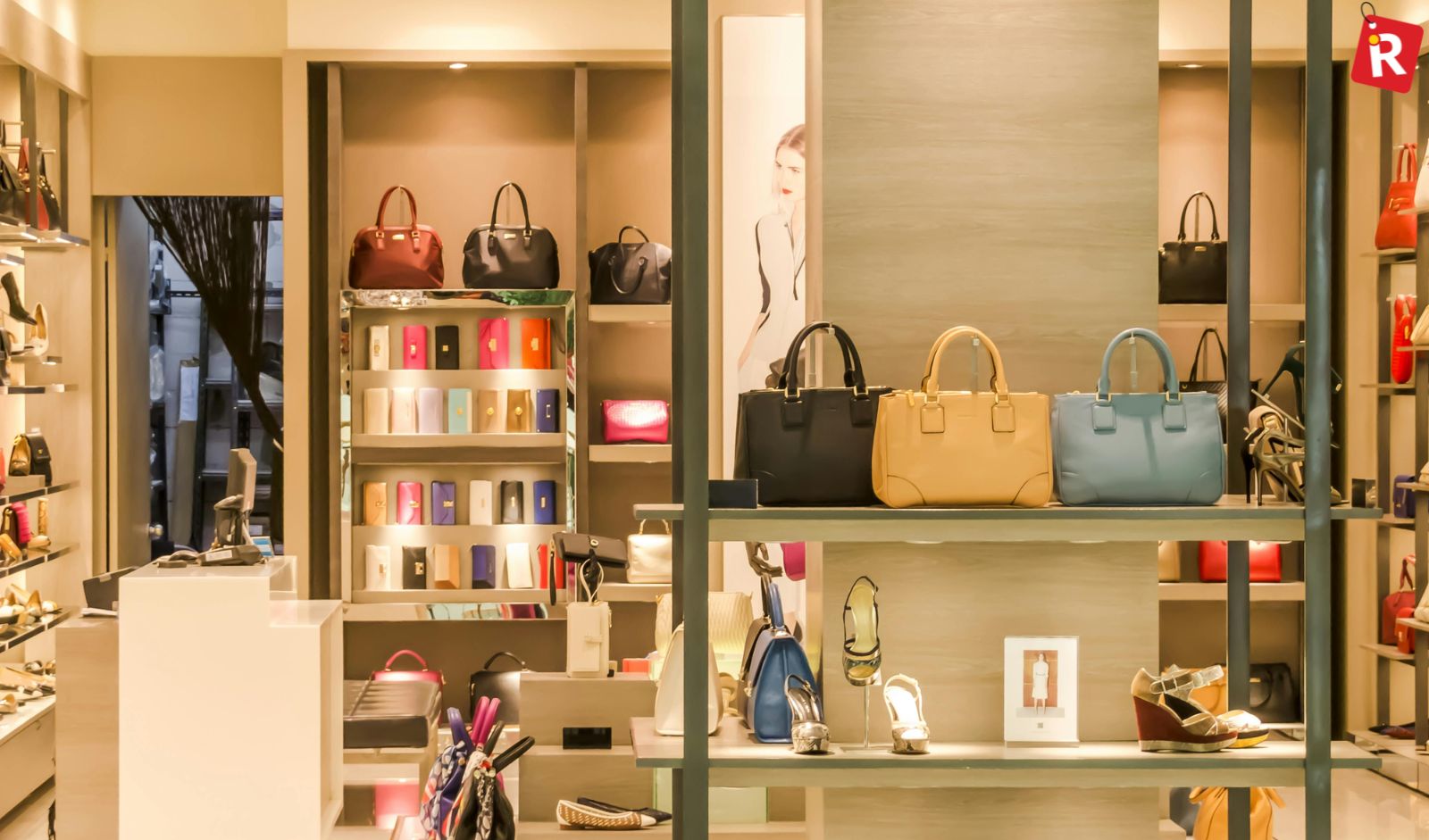
India’s luxury retail market has evolved significantly over the past decade. Once limited to overseas purchases and dominated by traditional global brands, it is now witnessing the emergence of Indian brands that are building high-end products for global
By Richa Fulara, Features Writer
Jun 05, 2026 / 16 MIN READ


India’s luxury retail market has evolved significantly over the past decade. Once limited to overseas purchases and dominated by traditional global brands, it is now witnessing the emergence of Indian brands that are building high-end products for global consumers. Simultaneously, India has also emerged as an important market for luxury retail, with numerous international brands entering the country. Rising affluence and an increase in value-conscious Indian consumers who are willing to spend on quality products and unique experiences have led to this shift. Today, luxury brands are catering to consumers through a diverse mix of offline and online channels.
Competing Against Global Brands
Luxury retail has historically been dominated by global brands, particularly in categories such as bags, accessories, fragrances, and leather goods. In this highly competitive market, several Indian brands have emerged and built a sustainable global presence. Two important factors have contributed to this success.
First, there has been a significant rise in quality-conscious consumers. The focus has shifted beyond design to include the quality and craftsmanship of products. Today, Indian luxury brands such as Da Milano have successfully built a loyal consumer base by offering quality-driven products while expanding across multiple retail channels.
“Da Milano has expanded steadily and now operates around 65 stores in prominent locations. The brand has also leveraged travel retail as an important growth channel through airport stores and premium malls. The key driver behind this growth has been the consumer’s growing appreciation for quality,” shared Sahil Malik, Managing Director, Da Milano & Rosso Brunello, at IReC x D2C Summit 2026.
Second, rather than adopting a uniform retail strategy across markets, brands are using diverse approaches to cater to consumers globally. Launching a successful product that gains traction in one market often helps generate visibility and interest in another.
“Indian brands should leverage their cultural heritage, ingredients, and craftsmanship to create a distinct identity. Ajmal successfully popularised oud globally by building on its roots in India and the Middle East. Its ability to create and own trends has been a key driver of its success,” explained Nilendu Mitra, Head of Strategy, Ajmal Group.
Bringing Global Luxury to Indian Consumers
As India's luxury market continues to grow, several retail platforms have emerged that play a crucial role in bringing global luxury brands to Indian consumers. For international brands making their debut in India, offline retail partnerships with Indian retail chains provide strong market positioning and direct access to consumers.
“Our company focuses on curating the best watch brands globally, ranging from heritage watchmakers to innovative micro-brands with compelling stories. The growing interest from global watch companies continues to strengthen our position,” shared Ronak Shah, CEO, Just In Time, a retail chain focused on international watch brands.
Luxury retail, once limited to physical stores and designer brand outlets in premium locations, has now expanded significantly through digital platforms. Today, consumers can shop for designer labels through luxury marketplaces. These platforms identify trends early and curate meaningful collections from both established and emerging designers. The seamless shopping journey, product discovery process, website experience, and customer service all contribute to stronger customer retention.
“While some major designers may eventually become strong enough to drive direct purchases through their own channels, marketplaces remain relevant because they offer breadth, discovery, and a curated luxury experience under one roof,” expressed Koustubh Chattopadhyay, CBO, AZA Fashions.
Balancing Heritage with Innovation
While luxury is often associated with timelessness, brands continuously reinvent themselves to keep pace with changing consumer preferences. This is achieved by refreshing classic products with new colours, textures, and design updates while preserving their core identity.
“Da Milano introduces new collections based on seasonal trends and evolving consumer preferences. This combination allows us to remain relevant without compromising its legacy. Maintaining this balance between heritage and innovation has been an important part of the brand’s success,” shared Malik.
Moreover, brands that cater to different consumer segments while keeping their evolving needs in mind are more likely to sustain relevance across generations. For instance, global luxury brands such as Ralph Lauren curate offerings based on different life stages of consumers. Whether it is a student entering college, someone celebrating their first job, or a long-time loyal customer, the brand offers relevant products for every stage of life. It also leverages diverse channels to engage younger audiences and make them part of its legacy.
“To connect with Gen Z, the brand has increased its focus on digital engagement and strategic collaborations. Sports partnerships have also played a crucial role in building relevance among younger consumers while strengthening connections across broader consumer segments,” shared Shubhi Sinha, Brand Head, Ralph Lauren India.
While international brands are expanding their presence through retail partnerships and digital platforms, Indian luxury brands are carving out their own space by leveraging quality, craftsmanship, and cultural heritage. Moreover, changing consumer preferences, particularly among younger generations, are encouraging brands to innovate while remaining true to their legacy. As a result, the balance between heritage, accessibility, and innovation is shaping the next phase of growth for India's luxury retail market.
India’s luxury retail market has evolved significantly over the past decade. Once limited to overseas purchases and dominated by traditional global brands, it is now witnessing the emergence of Indian brands that are building high-end products for global consumers. Simultaneously, India has also emerged as an important market for luxury retail, with numerous international brands entering the country. Rising affluence and an increase in value-conscious Indian consumers who are willing to spend on quality products and unique experiences have led to this shift. Today, luxury brands are catering to consumers through a diverse mix of offline and online channels.
Related Stories
As consumer shopping habits continue to evolve, malls are adapting to meet changing expectations. No longer just shopping destinations, they are becoming spaces that combine retail, dining,…
- By Richa Fulara
- |
- 8 Min Read
Growing health awareness, clean-label consumption, and the rise of omnichannel retail are reshaping India's organic food market. As the category gains mainstream traction, brands are expanding their…
- By Richa Fulara
- |
- 9 Min Read
With a portfolio of 10 brands spanning health, wellness, personal care, and lifestyle categories, BRND.ME has built a profitable $200 million business in just four-and-a-half years. Today, the…
- By Richa Fulara
- |
- 7 Min Read